Most people think painting is just about rolling color onto walls. In reality, a professional painting team follows a structured, detail-driven process that starts with jobsite setup and ends with a client walkthrough. Every step—from surface prep to applying the right products—is intentional.
This blog takes you behind the scenes of a raw, unfiltered day with our crew. You’ll see the tools, products, safety measures, and quality checks that make a professional job different from DIY or “cheap” contractors. For homeowners and property managers in Rockwall, TX, this is a transparent look at what you’re actually paying for when you hire trained painters.
Morning Kickoff – Arrival, Setup, and Safety
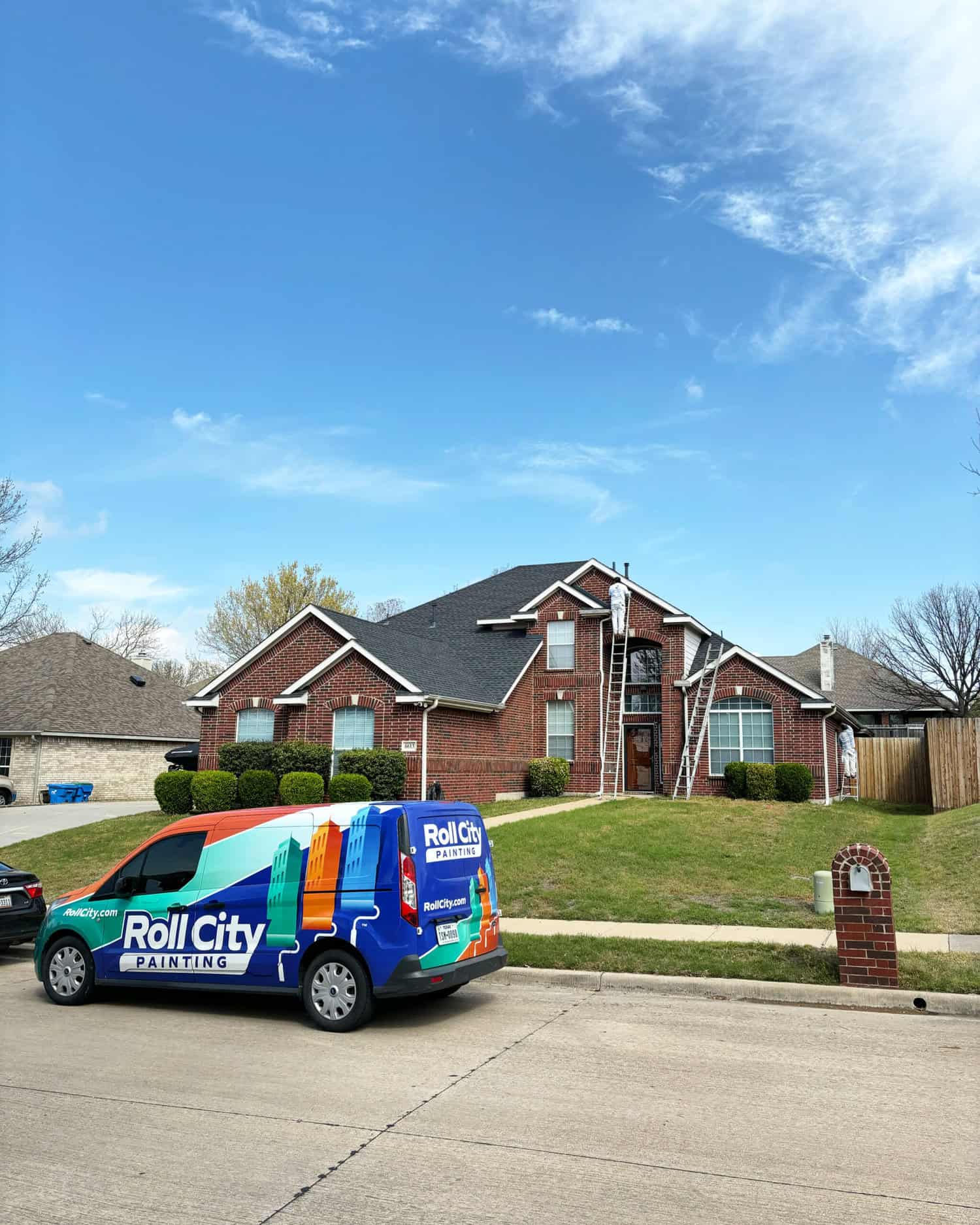
By 7:30 or 8:00 AM, the crew arrives on site. A foreman leads the morning briefing: reviewing the project scope, assigning tasks, and giving safety reminders.
Setup isn’t rushed. Drop cloths, plastic sheeting, and masking tape protect surfaces. Floors are covered before a brush touches the wall. For exteriors, shrubs and landscaping are shielded with breathable tarps. This protects property and sets a professional tone from the start.
Products typically used for setup include:
-
Heavy-duty drop cloths (canvas for interiors, polyethylene for exteriors)
-
3M ScotchBlue tape for trim and edges
-
HEPA-rated respirators when sanding or spraying
This careful beginning addresses one of the most common client concerns: “Will the painting team damage my property or make a mess?” A professional painting team ensures the answer is no.
Prep Work – The Foundation of Every Lasting Paint Job
Here’s the truth: prep usually takes 60–70% of the total project time. Without it, even premium paints won’t perform.
For interiors, this means sanding drywall seams, patching holes, taping off trim, and priming problem areas. Exteriors in Rockwall often involve power washing, scraping old paint, caulking joints, and priming bare wood—especially with Texas humidity changes that affect paint adhesion.
Common Products Used in Prep
| Task | Products Commonly Used | Purpose |
|---|---|---|
| Priming | Sherwin-Williams ProBlock, Benjamin Moore Fresh Start | Seal surfaces, improve adhesion |
| Patching | 3M Patch Plus, Ready Patch | Fill dents, cracks, nail holes |
| Caulking | OSI Quad Max, Sherwin-Williams SherMax | Seal gaps to prevent water intrusion |
This phase often puzzles homeowners: “Why does prep cost so much when I can’t even see it?” The answer is durability. A properly prepped surface resists peeling, blistering, and cracking years longer than one that’s rushed.
Application – Brushes, Rollers, and Sprayers in Action

Once prep is complete, the painting team shifts to application. The method depends on the surface and finish required.
-
Brushes are used for precision work around trim, windows, and corners.
-
Rollers (usually 3/8″ nap for smooth walls, 1/2″–3/4″ nap for textured surfaces) cover larger areas evenly.
-
Sprayers come into play for exteriors or large commercial interiors, delivering smooth finishes when combined with proper masking.
Professional painting teams apply two coats of paint, not just one. This ensures true color depth, consistent sheen, and protection against wear. Cutting corners here almost always leads to premature fading or uneven coverage.
Premium paints often used:
-
Benjamin Moore Aura
-
PPG UltraLast
Professional tools include: Purdy brushes, Wooster rollers, and Graco sprayers.
Midday Workflow – Efficiency and Coordination
By midday, coordination matters most. A well-run painting team doesn’t wait for walls to dry idly. Instead, some painters cut in trim while others roll walls. Exterior crews may prep siding while others apply primer to trim.
This staggered tasking maximizes productivity. The foreman checks progress and often updates the client before lunch. Breaks are structured, following OSHA guidelines, so workflow stays consistent.
Clients often ask: “Will the project drag on longer than promised?” The truth is, efficiency isn’t about rushing—it’s about staggering tasks so no time is wasted.
Afternoon Focus – Details, Trim, and Second Coat
The afternoon is detail time. Once large surfaces are covered, a painting team focus on trim, doors, and accent areas. Here, specialty enamels like Sherwin-Williams ProClassic or Benjamin Moore Advance are used for smooth, durable finishes.
The second coat goes on after sufficient dry time. This isn’t optional—it’s what gives walls their true finish. Professionals inspect for roller lines, drips, or thin spots, correcting them immediately.
This step is where clients notice the “polish” of a professional paint job compared to amateur work.
Cleanup Routine – Leaving No Trace Behind
Cleanup happens every day, not just at the end of the project. This ensures clients don’t live with clutter or hazards between work sessions.
-
Masking tape is removed before full cure to avoid peeling.
-
HEPA vacuums collect dust.
-
Paint waste is disposed of per EPA regulations.
-
Leftover paint is labeled and stored for future touch-ups.
Daily vs. Final Cleanup
| Cleanup Stage | Tasks Completed |
|---|---|
| Daily Cleanup | Tools washed, floors vacuumed, trash removed |
| Final Cleanup | Masking removed, surfaces wiped, leftover paint stored |
The biggest concern clients raise is: “Will painters leave my house a mess?” With a professional painting team, the answer is always no.
Quality Assurance and Client Satisfaction
Once application and cleanup are complete, the foreman walks the property with the client. Together, they inspect walls, trim, and details. Any imperfections go on a punch list and are fixed before the crew leaves.
This walkthrough ensures accountability. Clients also receive care instructions and warranty details, plus before-and-after photos for documentation. If issues appear later, warranties cover corrections.
Behind the Scenes – What Clients Don’t See
What happens off-site matters, too. Professional painting companies manage logistics long before arriving at your home or business.
-
Scheduling and crew coordination ensure the right number of painters for the project.
-
Material orders secure paint and primer in advance, avoiding delays.
-
Weather monitoring is critical in Rockwall, where sudden rain can disrupt exterior work.
-
Insurance and safety training protect clients against liability.
Clients often ask: “What happens if something goes wrong?” The answer: a professional team has contingency plans, training, and insurance to keep you covered.
Why a Professional Painting Team Delivers More Value
Hiring a professional painting team isn’t just about labor—it’s about long-term protection. Cheap jobs often peel within a year, while a professional job can last 7–10 years with proper prep and premium products.
Cost Comparison Over Time
| Type of Job | Initial Cost | Average Lifespan | Cost Over 10 Years |
|---|---|---|---|
| DIY / Cheap Contractor | Low | 1–3 years | High (due to frequent repainting) |
| Professional Painting Team | Higher upfront | 7–10 years | Lower (due to durability) |
Professional painters also provide warranties, insurance, and documented care—services that protect your investment in ways DIY or budget crews cannot.
People Also Asked (FAQ)
What does a typical day look like for a professional painter?
It starts with setup, continues with surface prep and application, includes a midday workflow check, and ends with cleanup and a walkthrough.
How long does it take a painting team to finish a house?
For an average Rockwall home, interiors may take 3–5 days, while full exterior projects typically take 5–7 days, depending on prep needs.
Do painters always use two coats of paint?
Yes—two coats ensure full coverage, color depth, and durability. One coat rarely meets professional standards.
What do painters do to protect furniture and floors?
They use drop cloths, plastic sheeting, and masking tape to cover surfaces before starting work.
What kind of paint do professionals use?
Premium lines like Sherwin-Williams Duration, Benjamin Moore Aura, and PPG UltraLast for long-lasting performance.
How do professional painters get clean edges?
They use cutting-in techniques with angled brushes and precision tape for sharp, straight lines.
Do painters move furniture for you?
Most painting teams will move and cover furniture, though clients are asked to remove fragile items beforehand.
How messy is painting with a crew?
Minimal. Daily cleanup keeps sites safe and orderly.
Why does prep work take longer than painting?
Because it determines adhesion, smoothness, and durability. Without prep, even premium paints will fail.
What happens if it rains during exterior painting?
Professional crews pause, reschedule, and monitor forecasts to prevent failures caused by moisture.
A Raw & Real Look at a Painter’s Day
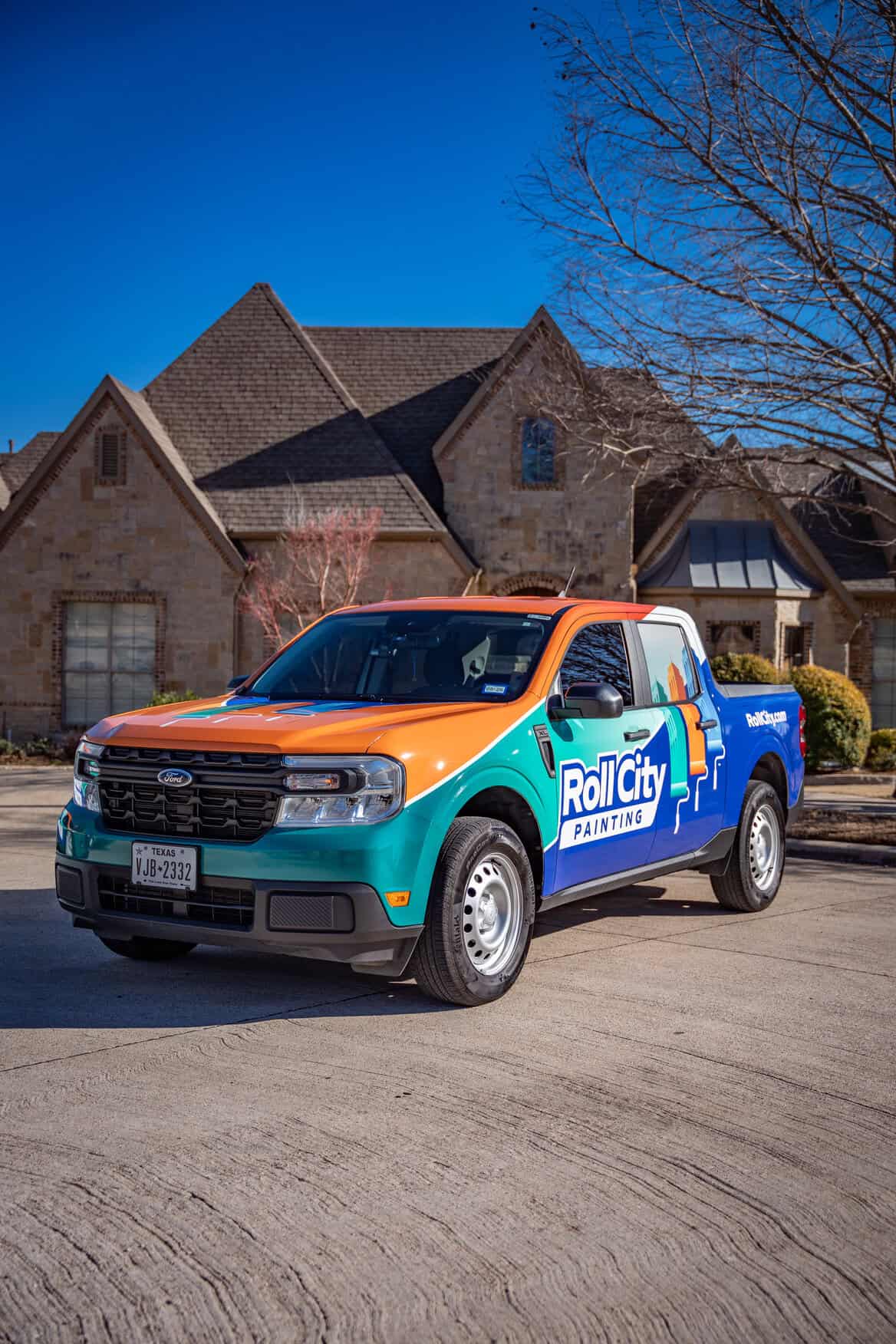
A professional painting team in Rockwall, TX doesn’t just show up with brushes. Their day is structured around protecting property, preparing surfaces, applying premium products, and ensuring quality through cleanup and walkthroughs.
What may seem like a “simple paint job” is actually a technical process designed to protect your home or business for years. If you’re ready to experience the difference, contact our painting team today and see what a raw, real day with professional painters looks like for yourself.