When you hire an exterior house painting contractor, you expect the finish to hold up for a decade or more. But too many homeowners watch their paint start peeling in year three or four. Premature exterior paint failure is one of the most common complaints in residential repainting. And it almost never happens by accident. The paint itself is rarely the problem. What happens before the brush touches the wall matters far more than the product on the wall.

This article breaks down the real reasons a paint job fails early. It also explains what a fair exterior paint lifespan looks like. And it shows how to tell whether the contractor you hire will give you five years of coverage or fifteen.

Key Takeaways

  • A well-executed exterior paint job should last 7 to 10 years in moderate climates.
  • Up to 80% of coatings failures trace back to poor surface preparation, not paint quality.
  • Paint peeling inside the first 3 to 5 years almost always signals rushed prep.
  • Quality exterior paint protects a home far longer when paired with cleaning, sanding, and priming.
  • Hiring a professional exterior painting company with a documented prep process is the clearest path to long-term performance.

What a Fair Exterior Paint Lifespan Actually Looks Like

Homeowners hear wildly different numbers about paint longevity. Some contractors quote five years. Others quote twenty. So the truth sits in the middle. And it depends heavily on the siding material and the climate.

Industry data from Angi puts the range between 3 and 20 years. Most exteriors fall within the 7- to 10-year window when the job is done right. For context, wood siding typically holds paint for 5 to 7 years. Fiber cement and stucco last about 7 to 10 years. Painted brick can go 15-20.

So when a paint job starts peeling at year three or four, that is not bad luck. Instead, it means the job failed to hit its expected exterior paint lifespan. Quality exterior paint from reputable brands hits those timelines by design. If a finish breaks down that far below spec, the exterior paint failure was not caused by the paint. Something underneath did.

And if you paid a reputable exterior house painting contractor for professional exterior painting only to see paint peeling within five years, the exterior paint lifespan you paid for was never in the cards. The job failed before the first coat dried.

The Number One Cause of Exterior Paint Failure

According to Sherwin-Williams, up to 80% of all coating failures trace directly to inadequate surface preparation. So that one number tells you almost everything about why some paint jobs fail at year three while others still look sharp at year twelve.

Surface preparation is the stage most homeowners never see. It happens before the paint can is even opened. First, it means washing the siding to remove dirt, mildew, and chalking. Then it means scraping off loose or failing paint down to a solid edge. After that, it means sanding glossy areas for adhesion, spot-priming bare wood, and caulking gaps that would otherwise let moisture behind the paint film.

But when a painter skips or rushes any of these steps, the new paint has nothing stable to bond to. So it looks perfect the day the job wraps. Then the first heavy rain, freeze, or full summer of UV pulls it right off the wall. So, paint peeling on a house repainted only two or three summers ago is almost always a surface preparation story, not a product story. Every case of early exterior paint failure I have seen in the field ties back to this step.

In short, a slow, thorough surface-preparation phase is the strongest predictor of how long your exterior paint job will actually last.

Other Common Causes of Premature Exterior Paint Failure

Poor prep is the biggest driver of exterior paint failure. But it is not the only one. Several other factors stack on top of it:

  • Skipping primer on bare wood. Bare wood is porous and pulls paint in unevenly. So without the right primer, topcoats can fail in as little as two or three years. Benjamin Moore recommends an alkyd-based primer for bare wood because it blocks tannin bleed and grips the grain in a way acrylic topcoats cannot. When a painter skips this step, they cut the exterior paint lifespan roughly in half.

  • Painting over moisture. Siding that still holds water from rain, dew, or a recent pressure wash will trap moisture behind the paint film. And that water pushes the paint off as it dries. So most manufacturers require a fully dry substrate and surface temperatures above 50°F for at least 24 hours.

  • Using builder-grade paint on a premium project. Not every gallon is created equal. Higher-solids, higher-pigment paints resist fading, chalking, and cracking far longer than bargain lines. But paying for quality exterior paint and receiving a lower-grade substitute is a real risk when homeowners never see the cans.
  • Applying coats too thin. Paint has a specified film thickness printed on the data sheet. When a painter rushes one thin coat, it cannot deliver the protection a proper two-coat system provides. And this is one of the most common shortcuts on low-bid jobs. It is a quiet driver of exterior paint failure that homeowners almost never catch in real time.

Any one of these issues alone can cut years off a paint job. When two or three stack together, paint peeling well inside the expected timeline is all but guaranteed.

How to Hire an Exterior House Painting Contractor Who Will Not Cut Corners

Price alone tells you very little about whether a paint job will hold up. Because the cheapest bid and the most expensive bid can both fail at year four if the prep was rushed. So the right exterior house painting contractor is the one who treats surface preparation as the main event, not a warm-up.
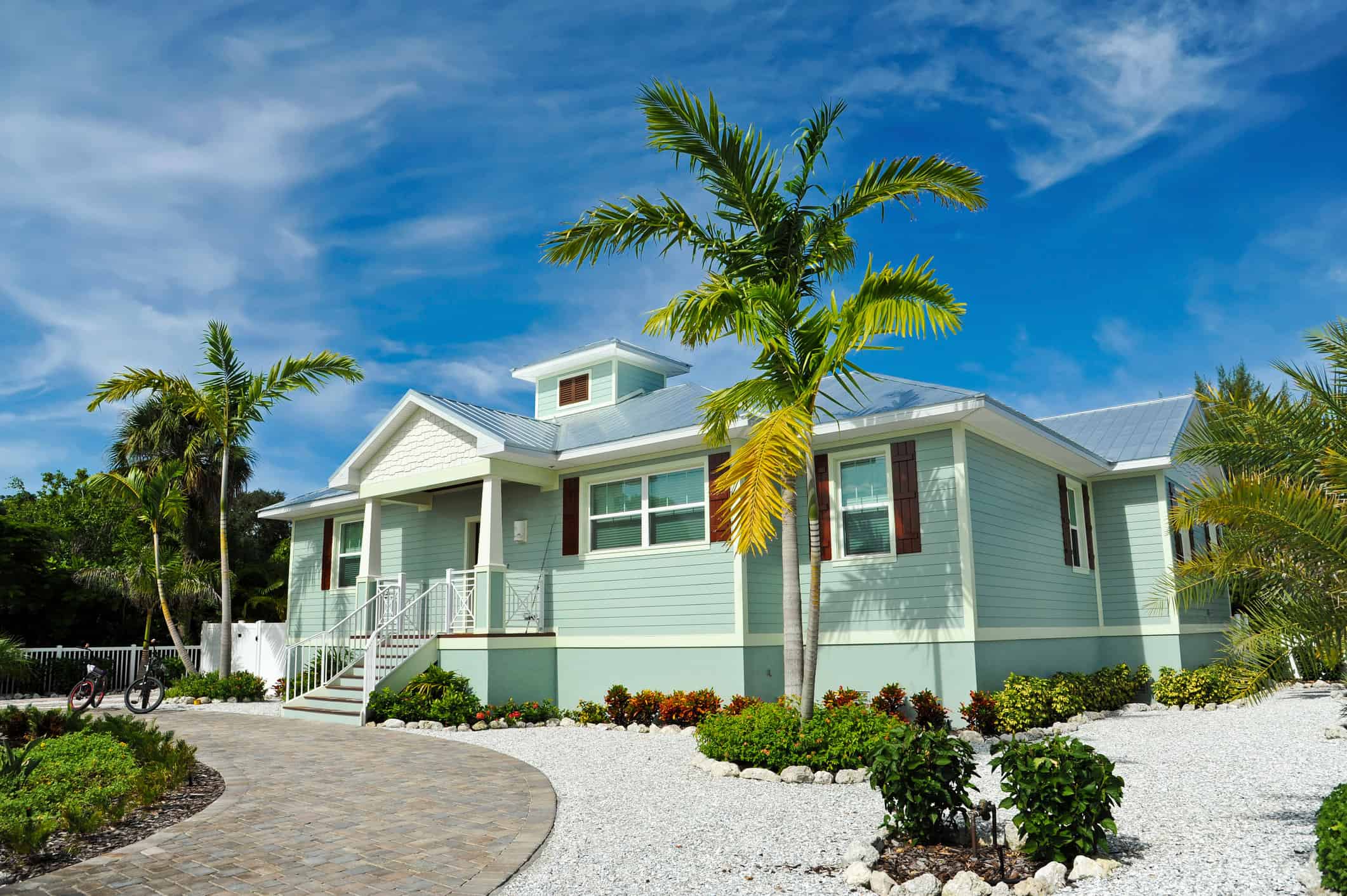
Exterior House Painting

Here are a few practical screens before you sign a contract:

  • Ask for a written scope of work. A legitimate exterior house painting contractor will spell out exactly how they plan to wash, scrape, sand, prime, and caulk before painting. And vague language like “prep as needed” is a warning sign.
  • Ask what paint they are using. Then request to see the cans on site. A professional exterior painting company should have no problem naming the product line and sheen. After all, quality exterior paint from a known manufacturer is part of what you are paying for.
  • Ask about primer. A serious exterior house painting contractor primes bare wood, patched areas, and stain-prone substrates without being asked. If a painter claims primer is not needed on bare wood, skip that painter.
  • Ask about the warranty. Most professional exterior painting companies back their work with a multi-year warranty on labor and materials. But a warranty is only as strong as the company behind it. So check how long they have been operating in your area.
  • Ask for recent local references. Paint performance depends on climate, substrate, and prep. So seeing a three or five-year-old job still holding up in your neighborhood is worth far more than any brochure.

An exterior house painting contractor who walks you through surface preparation, names their products, and stands behind their work is the contractor who produces paint jobs that hit their exterior paint lifespan.


Stop Paying for the Same Paint Job Twice

A home that needs repainting every three to five years is a home paying for the same job twice. And the cost is not just money. It is the disruption, the weather damage to the substrate beneath the failing coating, and the slow loss of curb appeal that comes from watching paint peel a few summers after the last repaint.

At Roll City Painting, we treat every exterior repaint as a long-term investment, not a weekend refresh. So every project starts with thorough surface preparation, proper primer, and quality exterior paint from manufacturers whose performance is documented. No shortcuts on prep. No substitutions on the product. No vague language in the contract.

If your current paint is showing paint peeling, fading, or cracking years earlier than it should, call Roll City Painting at 469-718-5386 for an on-site assessment. Early exterior paint failure is a symptom, not a verdict. So pick an exterior house painting contractor who does professional exterior painting the right way the first time. You deserve the full exterior paint lifespan you paid for.